
Understanding the Importance of Filler Material Selection
In welding, choosing the right filler material is crucial. It can make or break a project. The filler material affects strength, durability, and even safety. When you choose wisely, you ensure quality results. Different materials suit different metals and conditions. Understanding these factors helps in making informed decisions. This guide will explore various aspects to consider when selecting filler materials.

Key Factors in Selecting Filler Materials
The selection of filler materials involves several considerations. Firstly, compatibility with the base metal is vital. Using incompatible materials can lead to weak joints. Secondly, consider the environment where the welded structure will be used. Some environments may require corrosion-resistant materials. Lastly, think about the mechanical properties needed for the job. The right filler material should enhance tensile strength and toughness.
The Role of Metal Welding Techniques
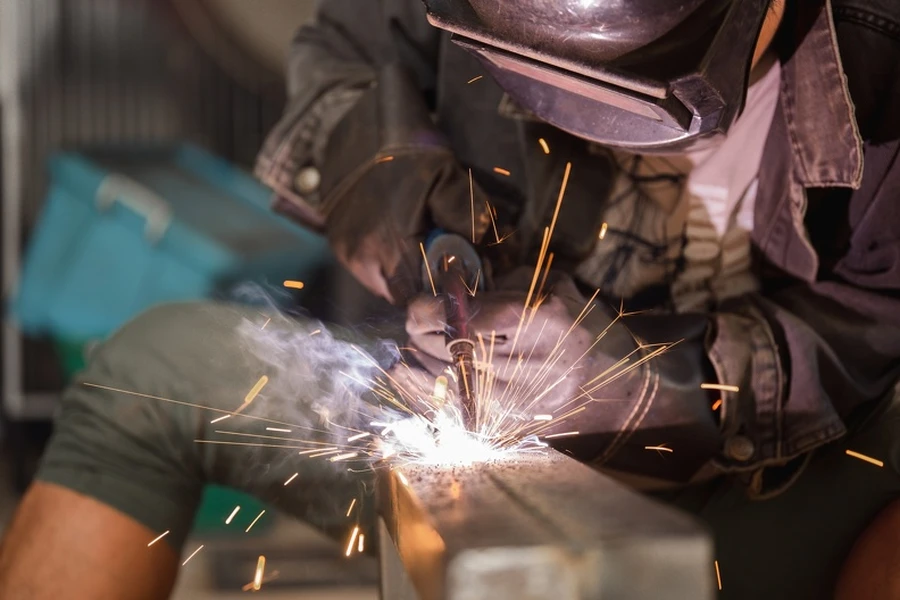
Different welding techniques influence filler material choice. For instance, in metal welding, tungsten inert gas (TIG) welding requires specific fillers compared to metal inert gas (MIG) welding. Each technique demands unique requirements based on heat levels and application specifics. Choose your filler accordingly to match the technique’s needs.
Common Challenges in Filler Material Selection
Selecting the wrong filler material poses challenges. It might lead to poor weld quality or structural failure. Many struggle with understanding material specifications. Another challenge is balancing cost with quality. Sometimes, cheaper options seem appealing but compromise long-term durability. Overcoming these hurdles requires careful analysis and knowledge of material properties.
Solutions for Optimal Filler Material Use
- Research material compatibility thoroughly before starting any project.
- Consult with experts in the field for recommendations.
- Consider environmental factors such as exposure to moisture or chemicals.
- Never compromise on material quality for cost savings alone.
- Test small samples to ensure performance matches expectations.
Best Practices for Choosing Filler Materials
Follow best practices to ensure successful welds. Always refer to industry standards and guidelines. These often provide insights into suitable materials for specific tasks. Keep abreast of new developments in welding technology and material science. They could introduce better alternatives that improve efficiency and outcomes.
Industry Standards and Compliance Needs
Compliance with industry standards is non-negotiable. Standards like those from the American Welding Society (AWS) offer benchmarks for quality and safety. Ensure all selected materials meet these criteria. Non-compliance might not only result in poor work but also legal issues. Regular audits and inspections help maintain adherence to these standards.
Cost Considerations for Filler Materials
Budgeting for filler materials is a critical step. While it’s tempting to opt for cheaper options, it’s essential to evaluate their performance over time. High-quality fillers often reduce rework costs and increase lifespan, offering better return on investment (ROI). Analyze total project costs rather than just upfront expenses.
Your Next Steps With Expert Recommendations
Selecting the right filler materials ensures high-quality projects and satisfied clients. Contact us at (707) 358-9560 for expert advice tailored to your needs. Our Alfonso's Welding team offers comprehensive services from our base in Napa, CA. We prioritize customer satisfaction through reliable and efficient solutions.