
Understanding Various Welding Methods for Different Steel Needs
Welding is a crucial process in metal fabrication, especially when working with steel. The right welding technique ensures strong and durable joints that meet specific project requirements. There are several factors to consider when choosing the appropriate welding process for steel applications, such as the type of steel, thickness, and desired strength. Understanding these factors helps in making an informed decision, ensuring both efficiency and safety in your projects.
Exploring Gas Metal Arc Welding
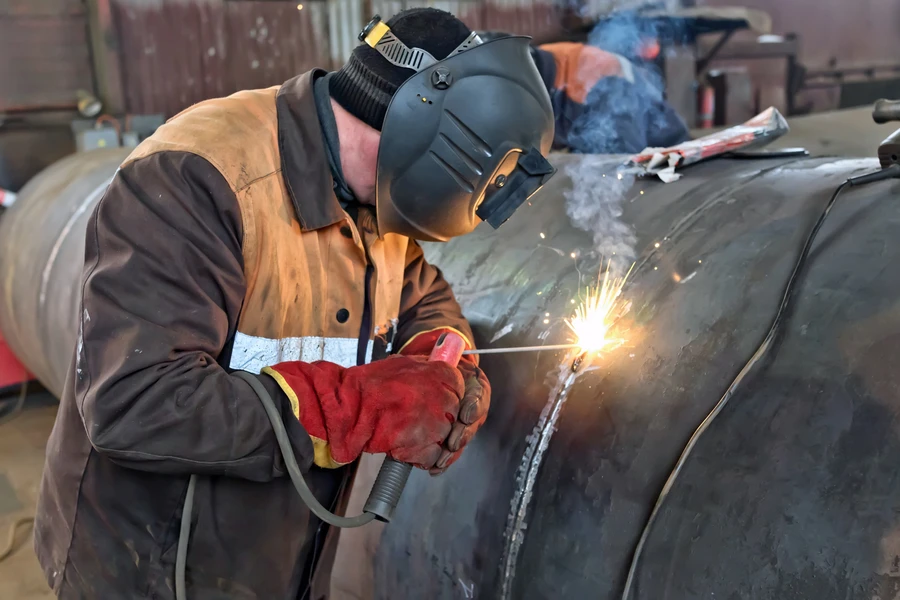
Gas Metal Arc Welding (GMAW), often referred to as MIG welding, is popular due to its ease of use and versatility. This method is effective for joining various types of steel, making it a go-to choice for many professionals. It uses a continuous wire feed and shielding gas to create clean welds with minimal spatter. For those looking into steel welding, GMAW offers a straightforward setup and efficient workflow.
Diving Into Shielded Metal Arc Welding
Shielded Metal Arc Welding (SMAW) or stick welding is known for its simplicity and adaptability. It doesn’t require external shielding gas, which makes it suitable for outdoor conditions. SMAW works well with thick materials and is preferred for repair work and construction projects. It’s a great choice for those who need reliable results without the complexity of more advanced equipment.
The Benefits of Flux-Cored Arc Welding
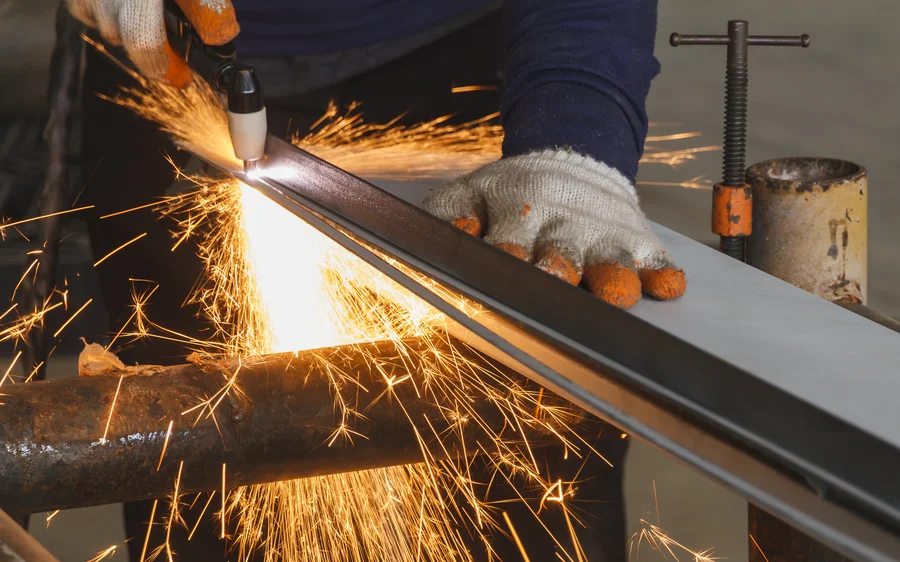
Flux-Cored Arc Welding (FCAW) combines elements of MIG welding with added flexibility. It’s particularly useful for thicker sections of steel due to its deep penetration capabilities. This process reduces the need for extensive surface preparation, saving time and effort. While considering options for steel welding, FCAW provides robust performance even under less-than-ideal conditions.
Why Tungsten Inert Gas Welding Stands Out
Tungsten Inert Gas (TIG) welding offers precision and control unmatched by other methods. It produces high-quality welds on thin materials, making it ideal for detailed work where aesthetics matter. TIG welding requires skill but delivers excellent results on stainless steel and nonferrous metals, ensuring visually appealing finishes.
Factors Affecting Your Choice
- Type of steel being welded
- Material thickness
- Position of the joint
- Production speed needed
- Available equipment and expertise
Best Practices for Steel Application Welders
When engaging in welding processes, adhering to best practices is essential. Start by selecting the appropriate protective gear to ensure safety. Regularly inspect equipment to maintain functionality and prevent accidents. Always follow guidelines tailored to each welding method to achieve optimal results.
Considering Industry Standards in Welding
Compliance with industry standards guarantees not only quality but also safety during operations. Familiarize yourself with relevant regulations like the American Welding Society (AWS) codes. These standards provide benchmarks for acceptable practices and outcomes in welding processes.
Understanding Cost Implications
Choosing a welding method involves weighing cost considerations against project requirements. Some techniques may require higher upfront investment in terms of machinery and training, but they offer better long-term reliability. Evaluate all aspects to determine what aligns best with your budget and project goals.
Final Thoughts on Selecting Your Welding Method
Selecting the right welding process can significantly impact the success of your steel applications. Consider all influencing factors such as material type, required strength, and environmental conditions. By doing so, you ensure efficient and reliable outcomes that meet professional standards. When you’re ready to enhance your projects’ durability, Alfonso's Welding is here to help you achieve excellence. Reach out at (707) 358-9560. Based in Napa, CA, we specialize in guiding you through the complexities of modern welding solutions.