
Understanding the Difficulties Welders Face
Welding is a crucial process in many industries, but it comes with its own set of challenges. When it comes to joining pipes, things can get even more complicated. The task requires precision and skill, and there are specific hurdles that professionals must overcome. Knowing what these challenges are and how to address them can make a significant difference in the quality of your work.
The Importance of Proper Preparation
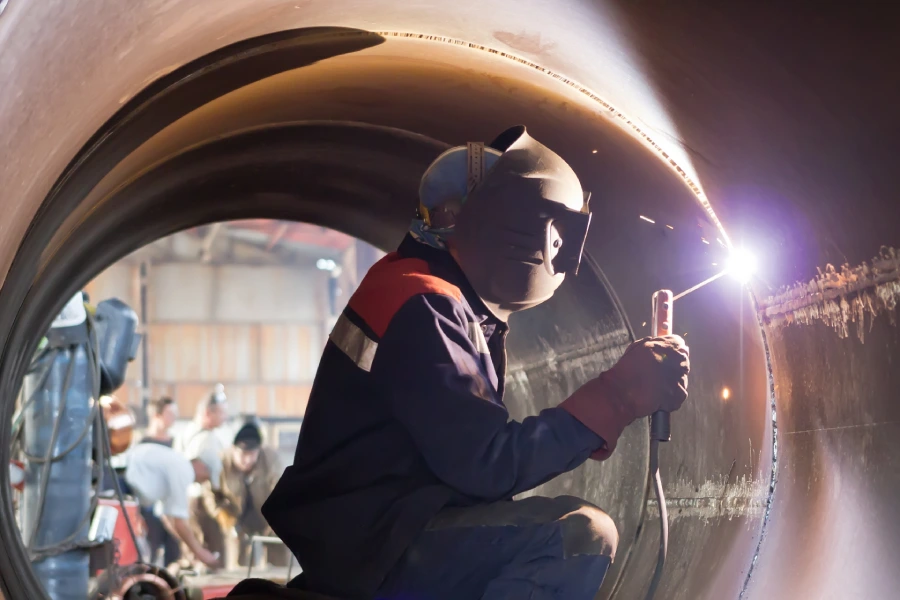
One major challenge in pipe welding is preparation. Before starting any project, you must ensure that the pipes are adequately prepared. This means cleaning the surfaces and ensuring they align properly. Proper preparation reduces the risk of weld defects, which can compromise the integrity of the joint. A clean surface allows for better fusion between the welded materials, leading to stronger connections.
Addressing Material Compatibility Issues
Another common issue is material compatibility. Different metals can have different melting points and properties, which affects how they fuse together during pipe welding. It’s essential to choose compatible materials to ensure a strong and lasting bond. Selecting the right filler metal also plays a critical role in this process, as it needs to match the base metals’ characteristics for optimal results.
Dealing With High Temperatures
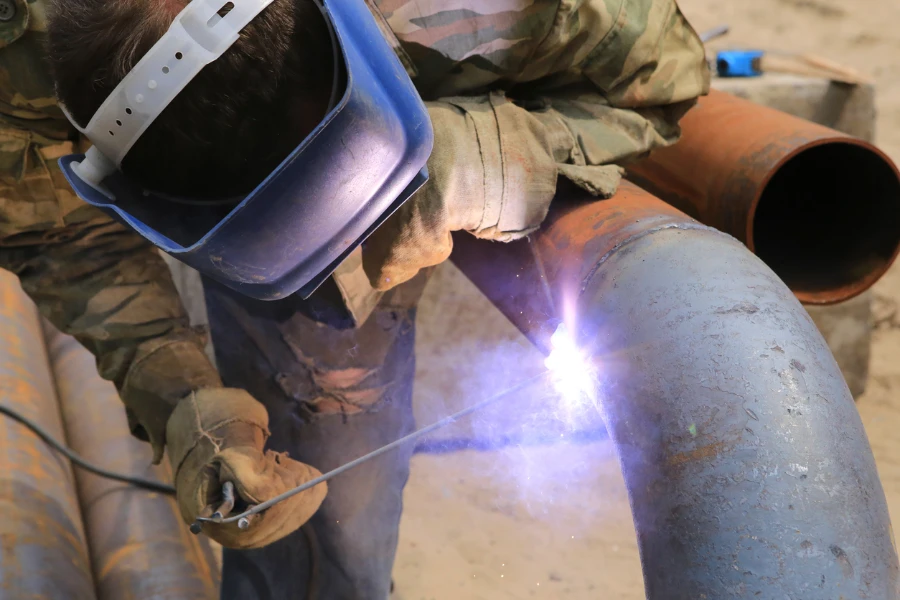
Managing temperature is another critical aspect. During pipe welding, the heat can cause warping or distortion if not controlled properly. Utilizing adequate heat controls and cooling methods helps maintain the shape and quality of the weld. Monitoring temperatures closely ensures that the weld pool remains stable, reducing the chances of defects.
Tackling Positioning and Alignment Challenges
Proper alignment is vital in achieving a successful weld. Misaligned pipes can lead to weak joints prone to failure. Employ proper clamping techniques and use alignment tools to keep everything in place during welding. Adjusting positions frequently can help manage gaps between sections, maintaining uniformity throughout the weld.
Navigating Common Welding Techniques
- MIG Welding: Ideal for thicker materials; offers speed and efficiency
- TIG Welding: Provides precision for thinner materials; offers clean welds
- Stick Welding: Suitable for outdoor conditions; versatile with various materials
Following Safety Protocols
Safety cannot be overstated when discussing pipe welding. Protective gear like gloves, helmets, and eye protection should always be worn to prevent burns and injuries. Ensure your workspace is well-ventilated to reduce exposure to harmful fumes. Following established safety guidelines protects both you and your coworkers from potential hazards associated with high temperatures and electrical equipment.
Cost Considerations for Efficient Work
Cost management is another factor impacting pipe welding projects. From labor expenses to material costs, every aspect must be considered for an efficient operation. Investing in quality equipment and hiring skilled technicians may seem expensive upfront but saves money over time by reducing errors and rework.
Ensuring Long-Term Success in Your Projects
In summary, overcoming challenges in pipe welding involves thorough preparation, understanding material compatibility, managing heat effectively, ensuring proper alignment, using appropriate techniques, adhering to safety protocols, and considering costs carefully. These practices contribute to successful outcomes and long-lasting results in your welding projects. Located in Napa, CA, we offer expert guidance on all your welding needs. Contact Alfonso's Welding at (707) 358-9560 today for professional assistance tailored to your specific requirements.