
Understanding Key Challenges in Metal Joining
Aluminum welding is an essential process in various industries because of its versatility and strength. However, it comes with its own set of challenges. Understanding the common defects that arise during this process is crucial for ensuring high-quality results. By identifying these issues early and knowing how to prevent them, welders can save time and resources while achieving a durable finish. Let’s explore some of the typical problems and solutions you might encounter.
Poor Penetration Issues
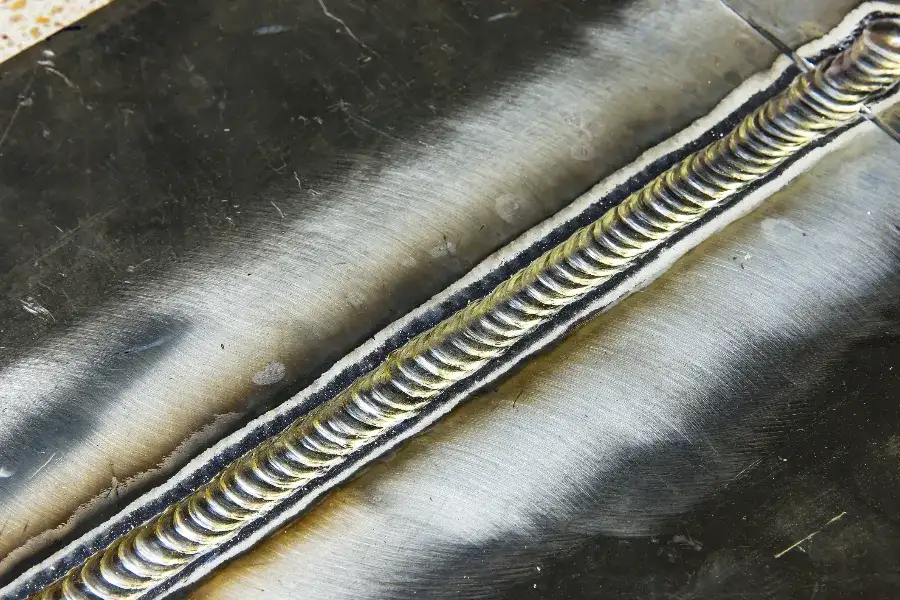
Poor penetration occurs when the weld does not extend through the workpiece’s thickness. This defect can lead to weak joints. One way to address this issue is by adjusting the heat settings appropriately. Ensure that your equipment operates at the right temperature to achieve deeper penetration. Additionally, cleaning the aluminum surface beforehand can enhance the welding process.
Cracking Concerns
Cracking is a frequent problem in aluminum welding due to its high thermal expansion rate. This leads to stress buildup when the metal cools down. To minimize cracking, control the cooling rate by using proper preheat techniques and selecting suitable filler materials that match the base metal’s properties. Maintaining an even temperature across the welded area helps reduce stress.
Porosity Problems
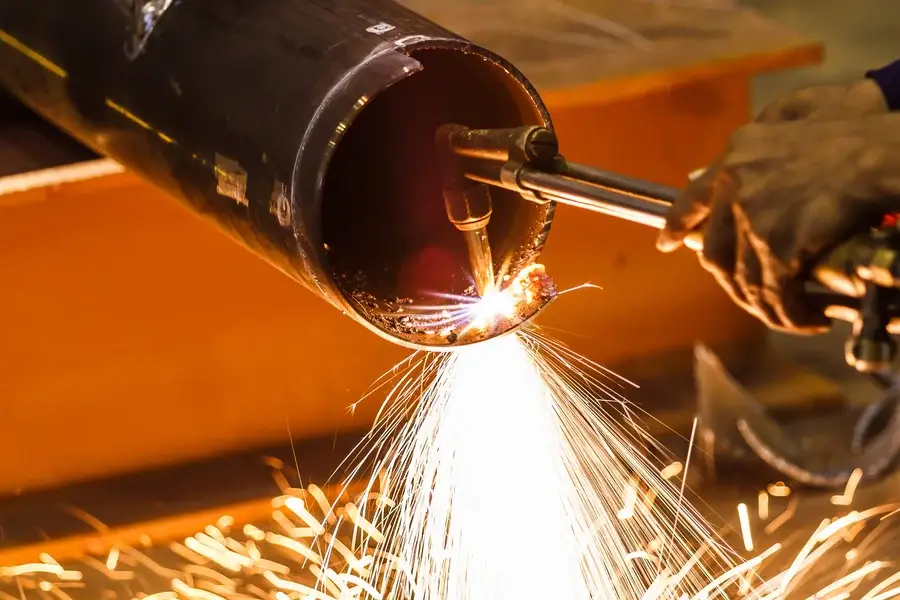
Porosity appears as small holes within or on the surface of the weld bead. It often results from contamination on the aluminum or improper shielding gas flow. Before starting, clean the aluminum thoroughly to remove any grease or oxide layers. Utilize an appropriate shielding gas like argon to protect the weld pool from atmospheric gases.
Distortion Dilemmas
Distortion affects the alignment and shape of welded components, complicating assembly processes. The mismatch in thermal expansions between different parts can cause this issue. Techniques such as clamp-based fixturing systems and staggered welding sequences can help manage distortion effectively.
Lack of Fusion Faults
Lack of fusion happens when there’s inadequate melding between the weld metal and base material. This defect compromises joint strength significantly. Increase welding speed cautiously to avoid overheating while ensuring proper technique application. Also, maintain consistent arc length throughout the weld.
Strategies for Effective Metal Bonding
- Ensure optimal heat input based on material thickness
- Utilize compatible filler metals
- Adopt preheating methods for even temperature management
- Apply correct angle and distance during torch usage
- Regularly inspect and clean all tools involved in the process
Cost Considerations With Quality Assurance
The cost involved in addressing aluminum welding defects extends beyond materials. Labor hours spent troubleshooting can inflate expenses rapidly if preventive measures are overlooked. Investing in training programs ensures technicians understand quality standards and efficiently manage resources without compromising results.
Final Thoughts on Enhancing Your Welding Projects
Tackling common defects during aluminum welding demands a blend of skill and knowledge. By following industry best practices and investing in appropriate resources, your projects will see improved outcomes. For expert guidance and top-notch services in Napa, CA, reach out to Alfonso's Welding at (707) 358-9560. Our team is here to assist with all your metal joining needs.