
Mastering the Techniques for Perfect Metal Joins
Working with aluminum can be challenging but rewarding when done right. It is widely used in industries due to its light weight and strength. However, achieving clean and strong welds on these surfaces requires specific techniques and methods. This guide will help you understand the key steps to ensure your aluminum welds are both visually appealing and structurally sound.
The Importance of Surface Preparation
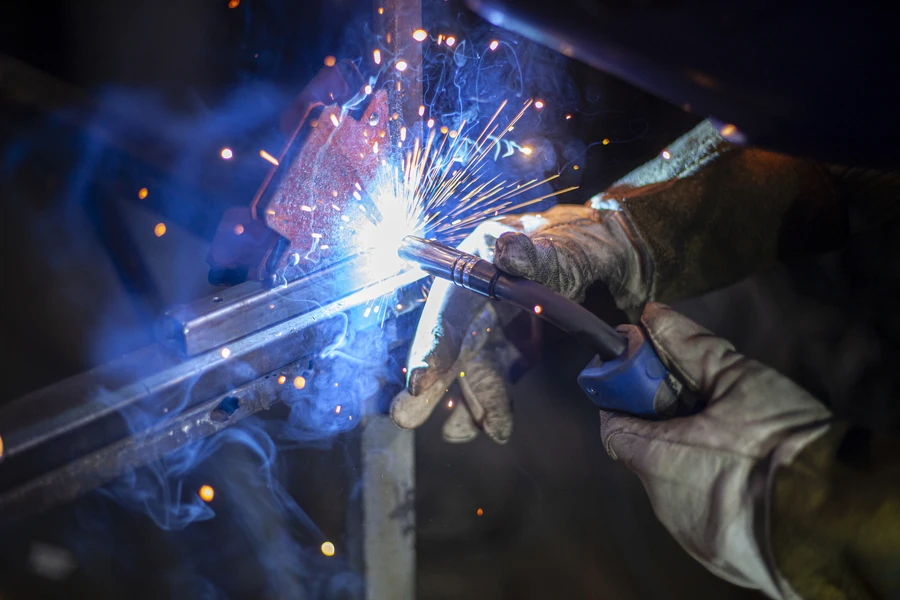
Preparing the aluminum surface is crucial before starting any welding task. Any contamination on the surface, such as dirt or grease, can lead to weak welds. Start by cleaning the area thoroughly using a wire brush specifically designed for aluminum. This will remove the oxide layer that naturally forms on aluminum surfaces. By doing this, you’ll ensure a better bond and reduce the risk of defects in your final weld.
Selecting the Right Filler Material
Choosing the appropriate filler material is vital for successful aluminum welding. Different types of aluminum may require different fillers. Common options include 4043 and 5356 alloys. The choice depends on factors like corrosion resistance and ductility requirements. Ensuring compatibility between the base metal and filler enhances weld quality and longevity. Always consult manufacturer guidelines to select the best match for your project.
Setting up Equipment Correctly
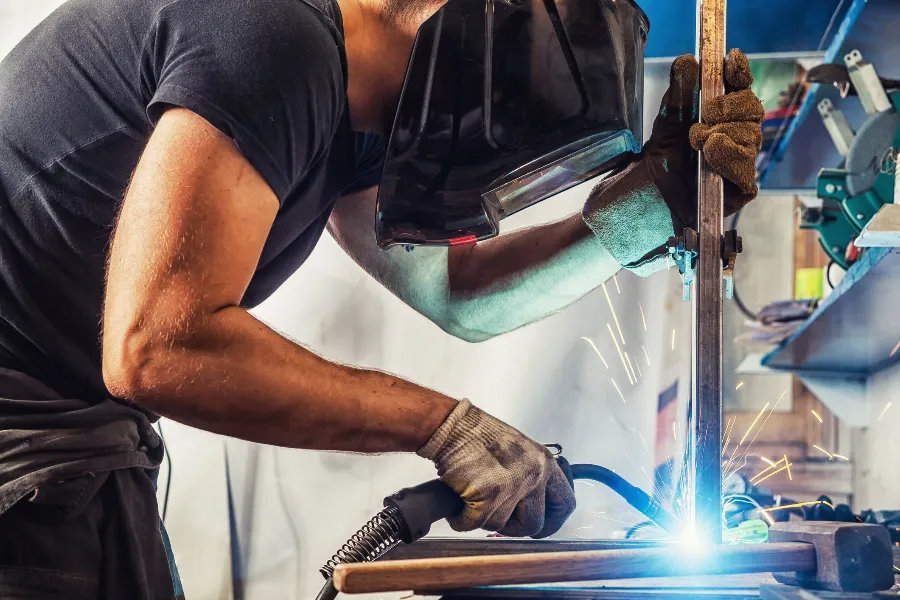
Proper equipment setup is essential for achieving optimal results in aluminum welding. Ensure your welder is calibrated correctly according to the thickness of the material you’re working with. Use a welder capable of high-frequency starts, which helps initiate the arc more smoothly on aluminum surfaces. Additionally, check that your gas flow settings are appropriate to protect against oxidation during welding.
Mastering Temperature Control
Controlling heat input is critical when working with aluminum. Too much heat can cause warping or burn-through, while too little might result in poor fusion. Practice maintaining consistent speed and distance during welding to manage temperature effectively. Utilizing techniques like backstepping can also distribute heat more evenly across the workpiece.
Utilizing Proper Welding Techniques
Avoid common pitfalls by employing proven techniques. Maintain a steady travel speed and angle to ensure even heat distribution. Tack welding pieces together before finishing the seam can prevent movement or distortion from excessive heat. These practices are especially beneficial in overcoming challenges typical of aluminum welding projects.
Troubleshooting and Adjustments
If issues arise during welding, troubleshooting can save time and resources. For instance, if you notice porosity or cracks in your welds, it may indicate insufficient cleaning or incorrect gas flow rates. Re-evaluate your setup and make necessary adjustments to improve performance. Learn from each session to refine your skills continuously.
- Ensure regular maintenance of equipment
- Choose quality materials compatible with aluminum
- Work with experienced professionals for complex tasks
Your Partner for Quality Results With Aluminum Surfaces
Achieving professional-grade results in aluminum welding demands attention to detail and adherence to industry best practices. Whether you’re seeking robust construction or aesthetic appeal, following these guidelines will set you on the path to success. Located in Napa, CA, our team at Alfonso's Welding is equipped to provide expert assistance and services tailored to your needs. Call us today at (707) 358-9560 for all your welding projects.